 Supplements
Both are chelated magnesium forms with good absorption and low laxative effect, and no head-to-head human trial separates them. Glycinate has the stronger rationale for sleep and calm because glycine is itself mildly sedating. Taurate is chosen for its cardiovascular association, though the combination itself is largely unstudied. If you want one, pick glycinate.
How We Picked
This is a comparison rather than a ranking, so we evaluated the two forms on absorption, laxative effect, the strength of the evidence for the attached molecule, and practical fit. We then picked one representative product for each form, plus a blend for people who genuinely cannot decide.
A. Vitamatic Magnesium Taurate — Best Taurate Pick

Vitamatic Magnesium Taurate
Vitamatic
- Magnesium taurate as a single ingredient
- Elemental magnesium listed on the panel
- Vegetarian capsules
- No unnecessary excipients
- Good cost per serving
Why we picked it: If taurate is the form you want, a plain single-ingredient product is the right call. Check the elemental magnesium figure on the panel rather than the compound weight in the product name, which is much larger.
B. Magnesium Glycinate 400 mg Capsules — Best Glycinate Pick
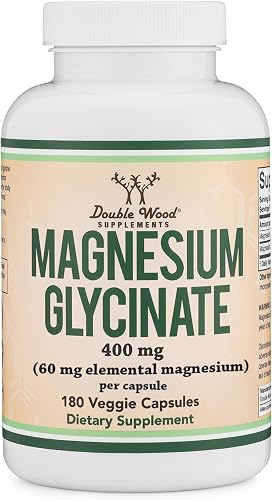
Magnesium Glycinate 400 mg Capsules
Nature Made Wellblends
- Chelated magnesium bisglycinate
- Low laxative effect
- Glycine is itself mildly calming
- Suitable for evening use
- Widely tolerated at higher doses
Why we picked it: Glycinate is the sensible default. It is gentle on the stomach, and glycine has its own small evidence base for sleep quality, which makes the pairing more than marketing. This is the form most people should start with.
C. Natural Rhythm Triple Calm Magnesium — Best Blend

Natural Rhythm Triple Calm Magnesium
Natural Rhythm
- Combines taurate, glycinate, and malate
- Covers all three chelated forms
- Low laxative effect
- Single daily serving
- Useful if you cannot decide
Why we picked it: A blend sidesteps the choice entirely and gives you all three well-tolerated chelates. The trade-off is that you get less of each individual form per serving, so it is a compromise rather than an upgrade.
The Short Answer
Both are chelated magnesium, both absorb well, and both are far gentler on the digestive system than magnesium oxide or citrate. There is no published head-to-head trial comparing them in humans. The meaningful difference is what magnesium is bound to. Glycinate carries glycine, an amino acid with mild sedative properties and a small evidence base for improving subjective sleep quality. Taurate carries taurine, an amino acid with cardiovascular research behind it at doses far larger than a magnesium taurate capsule provides. For most people asking this question, glycinate is the better default.
Absorption and Tolerability
Magnesium absorption depends heavily on the form. Magnesium oxide is cheap and poorly absorbed, which is why it works as a laxative — most of it stays in the gut. Chelated forms like glycinate and taurate are absorbed considerably better and consequently cause far less digestive disruption. On this dimension the two are effectively tied. If you have tried magnesium before and abandoned it because of loose stools, either of these forms will likely solve that problem.
The Case for Glycinate
Glycine is a non-essential amino acid that acts as an inhibitory neurotransmitter in parts of the central nervous system. Small trials have found that 3 grams of glycine before bed improved subjective sleep quality and reduced daytime sleepiness. A magnesium glycinate capsule does not supply 3 grams of glycine, so do not expect that effect from the chelate alone — but the direction is at least consistent with the way the form is marketed. Combined with excellent tolerability at higher magnesium doses, this makes glycinate the most broadly sensible choice.
The Case for Taurate
Taurine is concentrated in cardiac and skeletal muscle and has randomized trial evidence for reducing blood pressure at doses of roughly 1.5 to 3 grams per day. Magnesium independently has meta-analysis support for modest blood pressure reduction. The magnesium taurate form was proposed in a 1990s hypothesis paper precisely to combine those effects. The gap between that hypothesis and the evidence is where honesty is required: there is no substantial body of human trials on magnesium taurate itself, and the taurine content per capsule is a small fraction of what taurine trials used.
How to Choose
If your goal is sleep, relaxation, or simply correcting a low magnesium intake without digestive trouble, choose glycinate. If you specifically want the taurine association and tolerate chelates well, taurate is a perfectly reasonable alternative — just do not expect it to function as a cardiovascular intervention. If your interest is genuinely in taurine's blood pressure effects, a separate taurine supplement at gram doses is the logical route. And if constipation is the issue, neither is ideal — citrate is the better tool. See our guides to magnesium glycinate, magnesium taurate, and glycinate vs citrate.
Frequently Asked Questions
Is magnesium taurate or glycinate better?
For most people, glycinate. Both are well-absorbed chelates with low laxative effect and no head-to-head trial separates them, but glycine has a small evidence base for sleep quality that makes the pairing coherent. Taurate is a reasonable alternative if you want the taurine association, but the combination itself is largely unstudied in humans.
Can I take magnesium taurate and glycinate together?
Yes. They are both magnesium, so the practical consideration is total elemental magnesium rather than mixing forms. Keep supplemental magnesium at or below about 350 mg per day of elemental magnesium unless a doctor advises otherwise, since that is the tolerable upper intake level set for laxative effects.
Which magnesium form is best for sleep?
Glycinate is the usual recommendation, because glycine acts as an inhibitory neurotransmitter and small trials found 3 g of glycine before bed improved subjective sleep quality. Magnesium L-threonate is the form with the most research on crossing into the central nervous system. Taurate has no particular sleep rationale.
Does magnesium taurate lower blood pressure?
Magnesium supplementation generally has meta-analysis support for modest blood pressure reduction, and taurine has separate trial evidence at 1.5 to 3 g per day. However, magnesium taurate itself has not been meaningfully tested in humans, and each capsule supplies far less taurine than those trials used. Treat the cardiovascular claim as a hypothesis, not a finding.
Quick Comparison
| Product | Key Feature | Best For |
|---|---|---|
| Vitamatic Magnesium Taurate | Straightforward magnesium taurate | Best Taurate Pick |
| Magnesium Glycinate 400 mg Capsules | Well-tolerated bisglycinate chelate | Best Glycinate Pick |
| Natural Rhythm Triple Calm Magnesium | Taurate, glycinate and malate together | Best Blend |
Bottom Line: Which Should You Buy?
For most people: the Vitamatic Magnesium Taurate. Straightforward magnesium taurate
Runner-up: the Magnesium Glycinate 400 mg Capsules. Well-tolerated bisglycinate chelate
Also great: the Natural Rhythm Triple Calm Magnesium. Taurate, glycinate and malate together
Ready to buy?
Jump straight to our top picks on Amazon.
Sources & Research
This article was informed by peer-reviewed research and clinical guidelines. The Supplements Corner Editorial Team reviews published literature to ensure accuracy.
Dosage Reference
Adult RDA for magnesium is approximately 400–420 mg/day (men) and 310–320 mg/day (women) from all sources; the tolerable upper intake level for supplemental magnesium is 350 mg/day. Both glycinate and taurate are chelated forms with low laxative effect. Glycine sleep trials used 3 g glycine (far more than any chelate supplies); taurine blood pressure trials used 1.5–3 g taurine. People with kidney impairment should not supplement magnesium without medical supervision.
Key Studies Referenced:
- Zhang X, et al. (2016). "Effects of magnesium supplementation on blood pressure: a meta-analysis of randomized double-blind placebo-controlled trials. Hypertension.."
- Bannai M, Kawai N (2012). "New therapeutic strategy for amino acid medicine: glycine improves the quality of sleep. Journal of Pharmacological Sciences.."
- Schuchardt JP, Hahn A (2017). "Intestinal absorption and factors influencing bioavailability of magnesium: an update. Current Nutrition and Food Science.."
Medical Disclaimer: This content is for informational purposes only and does not constitute medical advice, diagnosis, or treatment. Always consult a qualified healthcare provider before starting, stopping, or changing any supplement regimen. Individual results may vary.

