Home/Comparisons/Best Ashwagandha Supplements (2026): KSM-66 vs ...
Comparison
Best Ashwagandha Supplements (2026): KSM-66 vs Sensoril Compared
Updated July 9, 2026
4 min read
11 studies reviewed
Best ashwagandha supplements compared: KSM-66 vs Sensoril standardized extracts. Dosage, research, and 5 top-rated products for stress, energy, and sleep.
Affiliate disclosure: Supplements Corner is reader-supported. When you buy through links on this page, we may earn a small commission at no extra cost to you. This does not influence our recommendations — we only feature products we've researched thoroughly.
TL;DR
Best ashwagandha supplements compared: KSM-66 vs Sensoril standardized extracts. Dosage, research, and 5 top-rated products for stress, energy, and sleep.
What Is Ashwagandha?
Ashwagandha (Withania somnifera) is an adaptogenic herb with 3000+ years of Ayurvedic use, now backed by robust modern clinical research. Unlike stimulants that force energy upward, adaptogens work by normalizing physiological stress responses. Ashwagandha's active compounds (withanolides) reduce cortisol, improve GABA signaling, support testosterone and thyroid hormones, enhance mitochondrial function, and reduce neuroinflammation. These multifaceted effects explain its broad benefits for stress, energy, mood, sleep, and physical performance. Effects are cumulative, improving significantly after 4-12 weeks of consistent use.
Key Clinical Evidence
Stress: 300mg KSM-66 daily reduced cortisol by 27% and stress scores by 44% over 8 weeks. Energy: 300mg improved energy and quality of life comparable to pharmaceutical antidepressants. Sleep: 300-500mg improved sleep latency and duration by 20-30% without dependence risk. Testosterone: 600mg daily increased testosterone by 17% and improved strength in men over 8 weeks. Cognition: Improvements in working memory and processing speed within 6-8 weeks.
KSM-66 vs Sensoril
KSM-66: Full-spectrum extract with 5% withanolides, preserving the plant's complete alkaloid profile. Studies use 300-600mg daily. Better for broad-spectrum benefits (stress, sleep, energy, cognition).
Sensoril: Concentrated extract with higher withanolide content. Studies use lower doses (125-250mg daily) for similar effects. May be superior specifically for cortisol reduction. Both are well-researched and effective -- the choice depends on goals and preference.
Withanolides & Standardization
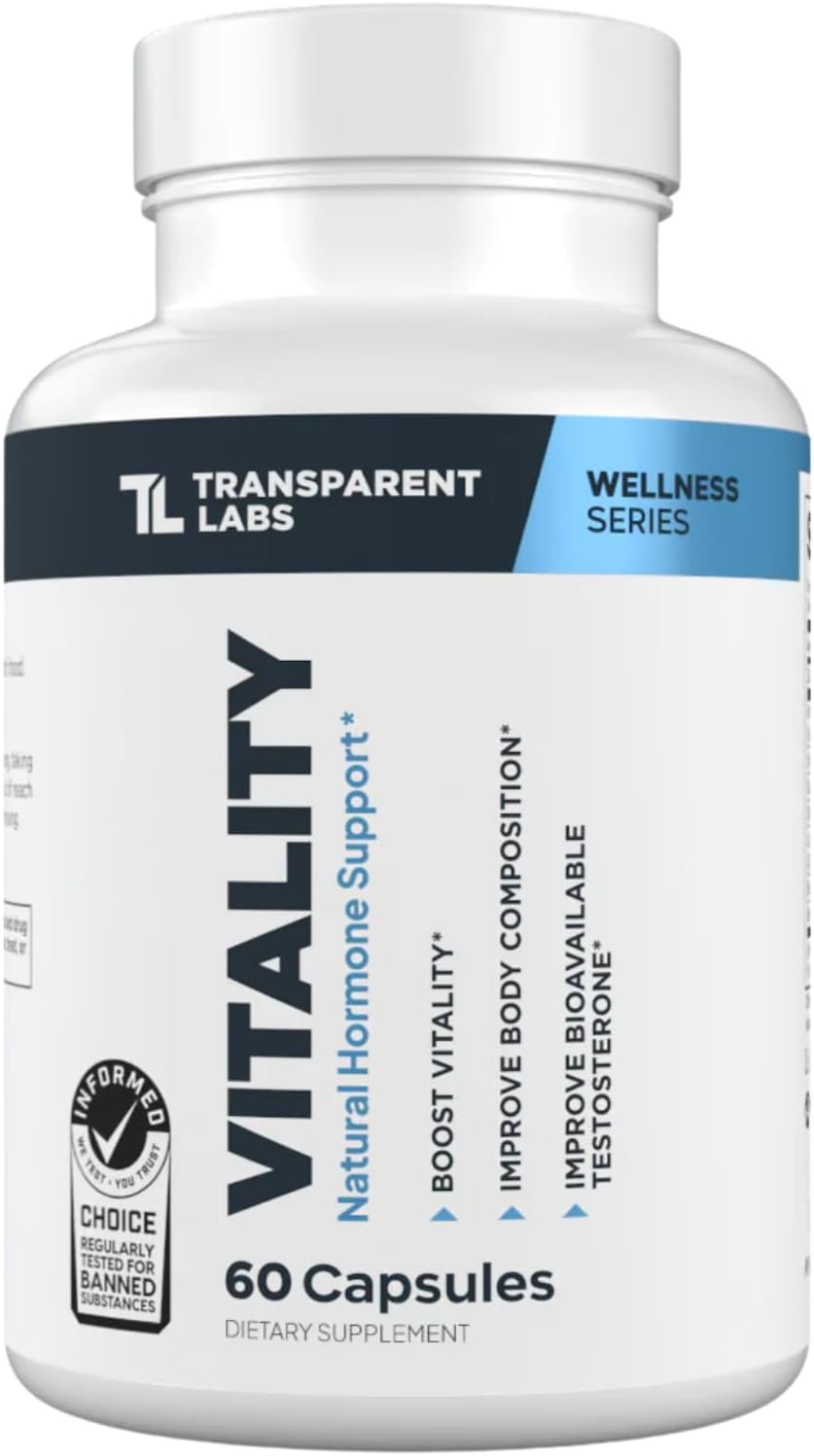
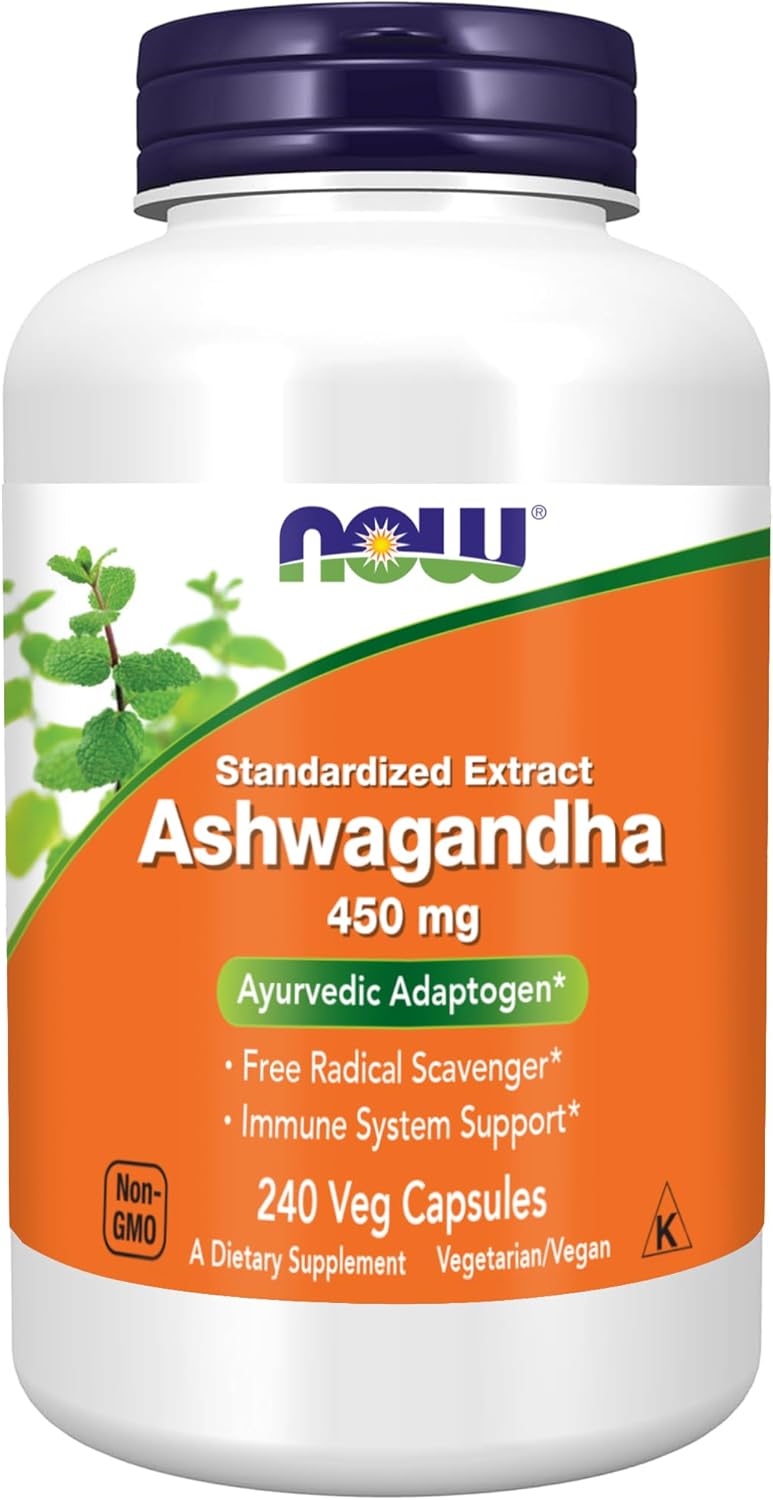
Withanolides are steroidal lactones unique to ashwagandha, responsible for its stress hormone regulation, neurotransmitter modulation, and anti-inflammatory effects. Ashwagandha grown in different regions produces wildly variable withanolide content (1-10%), which is why standardized extracts matter -- they guarantee minimum active compound levels for consistent, research-backed dosing. Always choose supplements standardized to at least 5% withanolides and look for the percentage on the label. Reputable brands with third-party testing include Nootropics Depot, Jarrow Formulas, Transparent Labs, and NOW Foods.
KSM-66: 300-600mg daily of standardized extract. Start at 300mg and increase to 600mg if needed. Sensoril: 125-250mg daily (more concentrated, so lower dose delivers comparable withanolides). Take with food to improve absorption and minimize digestive upset. Consistency matters more than timing -- some take it with breakfast, others in the evening for sleep benefits.
Therapeutic timeline: Effects build gradually. Stress relief appears at 4-8 weeks, energy improvements at 8-12 weeks, and physical performance benefits at 12-16 weeks. Don't expect immediate effects -- ashwagandha works through gradual physiological changes that compound over time.
Cycling & Long-Term Use
Many practitioners recommend cycling (8 weeks on, 1-2 weeks off) to maintain sensitivity, though continuous use is also safe. Benefits fade over 2-4 weeks after stopping, so consistent use matters for sustained effects.
Side Effects & Safety
Well-tolerated with rare mild side effects (GI upset, headache in less than 5%). Avoid if: pregnant/nursing, hyperthyroid, or on sedative/immunosuppressive medications without medical clearance. May modestly increase thyroid hormone levels.
Our Verdict
Ashwagandha is one of the best-researched natural supplements for stress, energy, sleep, and hormonal support. Choose KSM-66 (300-600mg) for broad benefits or Sensoril (125-250mg) for targeted cortisol reduction -- both require standardized extracts with 5%+ withanolides. Start at 300mg daily, assess for 4-8 weeks, and combine with exercise, sleep, and stress management for optimal results.
Sources & Research
This article was informed by peer-reviewed research and clinical guidelines. The Supplements Corner Editorial Team reviews published literature to ensure accuracy.
Dosage Reference
Clinical trials have used 300–600 mg/day of ashwagandha root extract (typically standardized to 5% withanolides). The KSM-66 extract was dosed at 300 mg twice daily in key studies.
Medical Disclaimer: This content is for informational purposes only and does not constitute medical advice, diagnosis, or treatment. Always consult a qualified healthcare provider before starting, stopping, or changing any supplement regimen. Individual results may vary.
Does ashwagandha actually reduce cortisol and stress?
Yes — multiple randomized controlled trials show ashwagandha (particularly KSM-66 at 600mg/day) significantly reduces serum cortisol levels by 23-30% over 8 weeks. A 2022 systematic review confirmed its anxiolytic effects are comparable to some prescription medications for mild-to-moderate anxiety. Effects typically appear after 4-8 weeks of consistent use.
What is the difference between KSM-66 and Sensoril ashwagandha?
KSM-66 is a full-spectrum root extract standardized to 5% withanolides, best suited for energy, stress, and athletic performance. Sensoril uses both root and leaf, standardized to 10% withanolides, and is more sedating — better for anxiety and sleep. KSM-66 has more published clinical trials (20+), while Sensoril is often preferred for nighttime use.
Ashwagandha (Withania somnifera) is a medicinal herb used in Ayurvedic medicine for over 3000 years. Its active compounds (withanolides) act on the hypothalamic-pituitary-adrenal (HPA) axis, reducing cortisol production and promoting stress resilience. Ashwagandha reduces anxiety, improves sleep, boosts energy, and supports hormonal balance. The herb works gradually over 4-12 weeks, with effects increasing with consistent use.
What's the difference between KSM-66 and Sensoril ashwagandha?
Both are standardized extracts of Withania somnifera, but they differ in extraction methods and withanolide profiles. KSM-66 is a full-spectrum extract containing 5% withanolides (the active compounds) and preserves the plant's natural alkaloid ratio. Sensoril is a proprietary extract with higher withanolide concentration and additional adaptogenic compounds. Both are well-researched; KSM-66 is better for broad-spectrum benefits, while Sensoril may be superior for cortisol reduction and HPA axis support.
How much ashwagandha should I take daily?
Standard dosage for ashwagandha is 300-600 mg daily of a standardized extract containing at least 5% withanolides. KSM-66 studies typically use 300-600 mg daily. Sensoril studies typically use 125-250 mg daily (due to higher concentration). Always follow product instructions and match dosage to the extract type. Effects typically appear after 4-12 weeks of consistent use.
Is ashwagandha safe to take long-term?
Ashwagandha is generally safe for long-term use, but many people benefit from cycling (8 weeks on, 1-2 weeks off) to maintain sensitivity and prevent tolerance. Long-term safety studies show minimal side effects in most people. However, avoid ashwagandha if you're pregnant (may affect pregnancy), have thyroid disease (can increase thyroid hormone levels), or take thyroid medications without medical supervision. Consult your doctor before use if you have medical conditions.
When should I take ashwagandha for best results?
Ashwagandha can be taken anytime daily, but consistency matters more than timing. Most people take it with breakfast or lunch. The herb works gradually to lower cortisol over weeks, so effects compound with consistent daily use. Some people take it in the evening if it helps their sleep quality. Take with food to improve absorption and minimize digestive upset. Results typically appear after 4-12 weeks of consistent supplementation.
 Supplements